

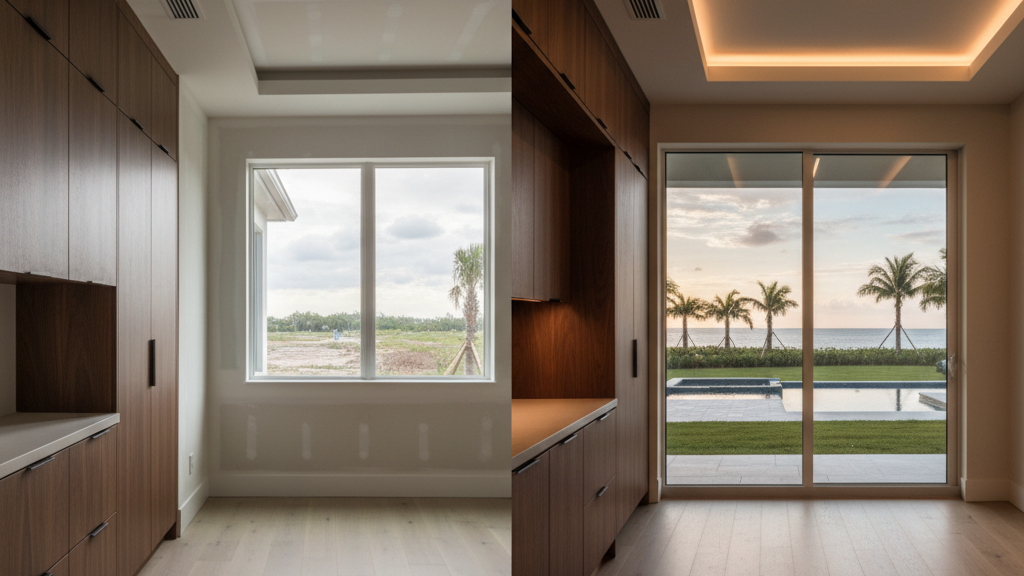
When it comes to real estate value, not all square footage is created equal. The difference between a standard home and a truly exceptional one often lies in its design integrity and build quality. After a decade of working with luxury home builders and appraisers across Florida, I’ve seen how architecture and craftsmanship influence property appraisal outcomes firsthand. In this guide, we’ll unpack The Role of Architecture and Craftsmanship in Property Appraisal, and how thoughtful design and execution can translate directly into lasting financial value.
Why Architecture and Craftsmanship Matter in Valuation
The influence of architectural style on market appeal and buyer demand
How uniqueness, design coherence and compatibility with neighbourhood affect value.
Architecture tells a story, about lifestyle, heritage, and location. A home with cohesive design and proportional harmony feels “right,” both visually and emotionally. Appraisers factor in these traits when comparing properties. If a design fits the Palm Beach aesthetic, coastal modern, Mediterranean revival, or transitional, it commands stronger buyer demand and higher appraised value.
The premium attached to designer homes, recognised architects, bespoke features.
Designer homes and residences by recognized architects almost always appraise higher. Proven names carry credibility, and bespoke features, from hand-carved woodwork to custom stone facades, signal value that generic builds cannot replicate.
The importance of quality craftsmanship, materials and detailing
How superior finishes, durable materials, and fine workmanship reduce depreciation and maintenance risk.
Fine workmanship directly influences long-term performance. Tight joinery, high-grade finishes, and precision installations reduce maintenance frequency and preserve integrity over decades. In humid climates like Florida, craftsmanship can make the difference between a pristine façade and one marred by early deterioration.
Why appraisers and seasoned buyers recognise craftsmanship as a differentiator. Appalachian Appraisal Services
According to Appalachian Appraisal Services, appraisers are trained to spot “quality indicators”: smooth transitions, uniform grout lines, and detailed millwork. These elements separate high-end homes from mass-built properties and are used to justify value adjustments.
How architecture/craftsmanship fit into appraisal methodologies
Sales comparison approach: design & finish influence adjustments.
In the sales comparison method, appraisers use similar nearby homes as benchmarks. When a home’s design quality exceeds those comparables, positive adjustments are added for architecture, layout, or craftsmanship.
Cost approach: high-end architecture and craftsmanship raise replacement cost baseline.
In the cost approach, reproduction cost rises with premium architecture and materials. This means a home with handcrafted stonework or custom millwork will have a higher replacement value than standard construction.
Architectural Factors That Influence Appraised Value
Design coherence, style relevance and contextual harmony
Does the home’s style align with buyer expectations and neighbourhood character? Lloyd Real Estate Services
As Lloyd Real Estate Services notes, a home that fits seamlessly into its environment tends to sell and appraise higher. Buyers (and appraisers) value architectural cohesion, where form, color, and material blend with surrounding homes while still expressing individuality.
How rare or distinctive architecture can either add premium or hinder marketability.
While uniqueness often attracts luxury buyers, overly eccentric designs can limit market appeal. Appraisers must balance design innovation with resale potential when determining value.
Functional layout, space utilisation & live-wearing design
Efficient floor plans, natural light, flow between indoor/outdoor add value. Learn Architecture Online
Learn Architecture Online emphasizes that homes designed around natural light and logical flow command higher appraisals. In Florida, where indoor-outdoor living defines lifestyle, homes with retractable glass walls or seamless patio transitions consistently appraise higher.
Adaptability for future uses (home office, wellness spaces) as value-added features.
Post-pandemic, flexible-use rooms, home offices, fitness studios, or in-law suites boost a property’s perceived and appraised value.
Materiality, structural quality & finish level
High-quality materials (stone, hardwood, custom millwork) as markers of value. The Architects Diary
Sources like The Architect’s Diary highlight that premium materials communicate longevity and class. Appraisers often compare the tactile experience of a home, its surfaces, hardware, and details, to standard market expectations.
Longevity, durability and maintenance implications of craftsmanship.
Quality materials not only last longer but lower lifetime maintenance. For example, marine-grade metals resist corrosion, while solid hardwoods outperform laminates in humidity-prone regions.
Craftsmanship and Its Technical / Market Impact
The visible craftsmanship: detailing, joinery, custom elements
Custom cabinetry, fine finishes, bespoke architectural elements as value drivers.
Visible craftsmanship defines the emotional response to a home. Custom-built cabinetry, intricate stone mosaics, and artisan lighting elevate perception, and thus appraised value. These cues tell appraisers the home was built with intent, not shortcuts.
The underlying craftsmanship: structure, build quality, execution
Build quality affects maintenance, depreciation, insurance risk, impacts appraised value.
Strong framing, waterproofing, and precise installation affect both maintenance and insurance risk, which appraisers weigh heavily. Poor workmanship shows up as settlement cracks, misaligned openings, and inconsistent finishes, red flags during inspections.
Quality execution reduces future cost and risk for buyer which appraisers recognise.
Meticulous construction lowers long-term ownership costs. Appraisers factor this when estimating economic life and depreciation schedules.
Craftsmanship and buyer perception / market segment
High-end buyer segments place premium on craftsmanship – therefore appraisal must reflect it. Appalachian Appraisal Services
Luxury buyers in markets like Palm Beach prioritize visible craftsmanship as a lifestyle signal. Appalachian Appraisal Services confirms that appraisals for high-end properties must account for craftsmanship as a tangible differentiator.
How craftsmanship aligns with the luxury home market’s expectations. S3DA DESIGN Structural and MEP Design
According to S3DA DESIGN, superior craftsmanship also complements technical performance, precision-built envelopes enhance energy efficiency and comfort, both of which support value retention.
How Appraisers Reflect Architecture & Craftsmanship in Their Reports
Adjustments in the Sales Comparison Approach
How architectural style, finish level, and craftsmanship result in positive (or negative) adjustments. Learn Architecture Online
Appraisers use paired-sales analysis to identify premiums for superior design and finishes. Learn Architecture Online explains that features like high ceilings, integrated lighting design, and hand-finished surfaces trigger upward adjustments in value models.
Role in the Cost Approach and Replacement Cost Considerations
Premium architecture and craftsmanship raise the cost base for reproduction or replacement. Investopedia
Investopedia clarifies that luxury-grade materials and artisanal work elevate both replacement and depreciation-adjusted value. The cost of replicating a highly detailed custom home is simply higher, reflected directly in appraisals.
Challenges and Limitations in Quantifying Design & Craftsmanship
When unique architecture or bespoke craftsmanship means limited comparables; requires appraiser judgment. Appalachian Appraisal Services
One challenge in The Role of Architecture and Craftsmanship in Property Appraisal is quantifying uniqueness. Bespoke designs often lack direct market comparables, forcing appraisers to rely on judgment and narrative evidence.
The need for documentation and narrative to support how design/craft add value.
Detailed project documentation, architect credentials, materials lists, custom invoices, helps appraisers substantiate value. The more transparent your records, the easier it is for an appraiser to capture your investment.
Regional/Market-Specific Considerations (e.g., Luxury Homes, Coastal Locations)
Luxury segment expectations – architecture & craftsmanship as purchase drivers
Luxury homes demand higher design, premium materials, craftsmanship – appraisal must reflect premium. S3DA DESIGN
In luxury markets like Palm Beach or Jupiter, buyers expect top-tier finishes and refined architecture. S3DA DESIGN emphasizes that appraisers adjust for homes where craftsmanship and architecture clearly surpass local norms.
Location and context – how architecture/craftsmanship interact with setting
Coastal or high-end markets value architecture that fits lifestyle, views, climate resilience.
Waterfront properties benefit from architectural design that maximizes light and views while resisting salt and storm conditions. Appraisers in Palm Beach County view these features as both aesthetic and practical value drivers. See our related article, Top Luxury Home Builders in Jupiter, Florida, for examples of design that balances durability and beauty.
Durability, maintenance and regional build-quality expectations
In challenging climates (e.g., coastal Florida) architecture and craftsmanship impact long-term maintenance and thus value.
In humid or storm-prone climates, craftsmanship determines resilience. A home built with precision and superior sealing maintains its appraisal value longer by avoiding water intrusion, corrosion, or mold, all costly long-term risks.
Checklist for Homeowners & Builders to Maximise Architectural + Craftsmanship Value
During Design Phase
Choose an architect whose design aligns with market demand.
Select architects with a track record in the region’s luxury segment. Their familiarity with local codes and aesthetic expectations enhances both marketability and appraisal credibility.
Specify materials and finishes with durability and high craftsmanship in mind.
Choose marine-grade metals, solid hardwoods, and high-quality stone. These materials add tangible value, appraisers recognize their longevity and cost basis. Explore design strategies in our feature Luxury Custom Homes in Boca Raton, FL.
During Construction & Finish Phase
Ensure quality control on craftsmanship – verify finishes, joinery, installations.
Supervise key milestones, framing, drywall, finish carpentry, painting to ensure every detail meets spec. Appraisers can easily identify consistent quality versus rushed workmanship.
Document upgrades, premium materials, custom elements for appraisal support.
Maintain invoices, specification sheets, and photos. Documentation validates claims of quality during appraisal reviews.
Pre-Sale / Appraisal Preparation
Provide appraiser with documentation of architectural pedigree, materials, craftsmanship.
Before appraisal, prepare a packet outlining your architect’s credentials, construction team, and custom materials. Clear evidence helps secure appropriate valuation.
Highlight how architecture/craftmanship enhance market appeal, durability, maintenance savings.
Include narratives explaining how design and build quality reduce long-term costs or boost performance. This reinforces the tangible value behind aesthetics.
FAQs Related to Architecture, Craftsmanship and Appraisal
Does hiring a famous architect automatically increase appraisal value?
Not automatically, but recognized architects signal credibility and usually deliver cohesive design, both of which influence appraisal premiums.
How much premium can craftsmanship add to a home valuation?
In luxury markets, exceptional craftsmanship can add 10–20% to appraised value compared with comparable homes lacking similar quality.
If my home has custom architecture and high-end craftsmanship, how do I help the appraiser capture that?
Provide documentation, list upgrades, and share architectural plans. Invite the appraiser to tour the home with your builder or designer to discuss unique features.
Can unique architecture ever negatively affect appraisal (due to limited market appeal)?
Yes, extreme customisation can narrow your buyer pool. Balance creativity with market familiarity for optimal long-term value.
For resale, does extreme customisation hurt value despite high craftsmanship?
Sometimes. Features too personal in taste may not translate to wider demand, so appraisers adjust for potential resale risk.
Conclusion – Aligning Architecture & Craftsmanship with Value
Recap of how architecture and craftsmanship drive value across design, execution and appraisal.
The Role of Architecture and Craftsmanship in Property Appraisal lies in how design vision and skilled execution converge to shape market desirability, resilience, and long-term worth. Together, they create the difference between “just another property” and a home with lasting legacy.
Why homeowners, builders and appraisers must work together to ensure value is captured.
Value recognition depends on collaboration. The more your team documents and communicates design and craftsmanship, the more accurately appraisers can reflect that in valuation.
Final advice: invest in architecture and craftsmanship thoughtfully, document well, aim for market alignment.
Whether you’re building or renovating, every design and craftsmanship decision affects future value. Partner with experienced professionals who understand both artistry and economics. To learn more, explore Our Service Area or call 561-962-4567 to discuss how our team ensures architectural distinction and craftsmanship excellence translate directly into measurable value for your home.